Notify me when it is ready

Notify me when it is ready

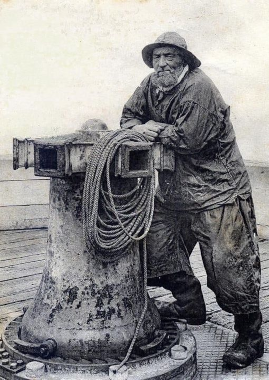
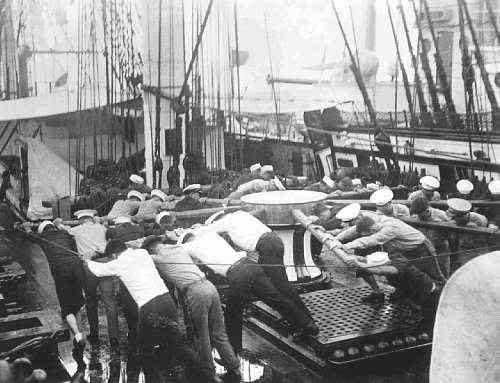
Fundamental to an anchoring operation is the releasing/gathering of the anchor chain. The mechanism enabling this is called a "windlass". It behaves like a pulley, releasing or gathering the chain as it rotates. In the photos below, you can see how crew members, years ago, would use a windlass to weigh (raise) anchor.
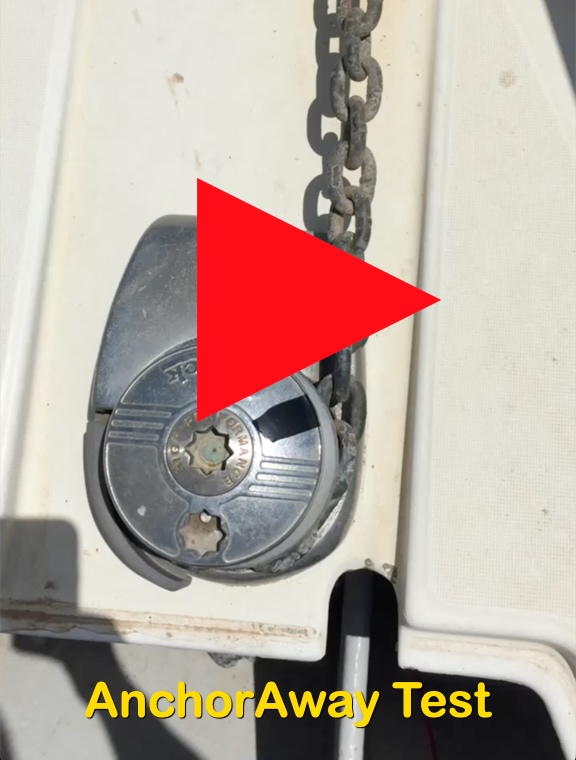
To safely anchor a marine vessel the crew must ensure that adequate chain is released to keep the anchor from dragging and the boat position fixed. The necessary chain length depends on current, wind, seabed conditions and, most important, water depth. Here is a video showing the "state of the art" method used today to lower anchors on the most advanced ships in the world.
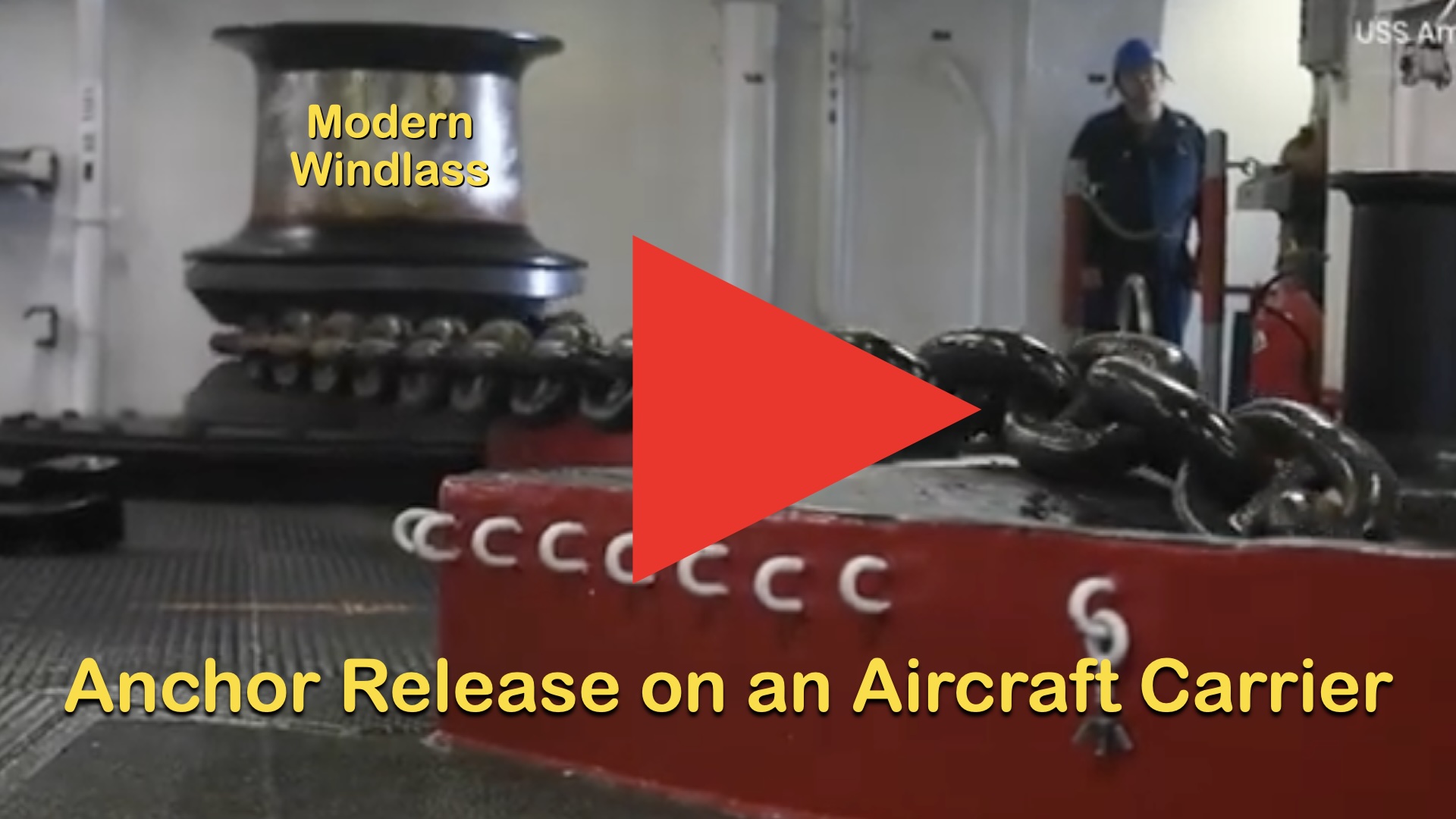
As the anchor is released, a set of painted links pass through the chain guide. A crew member shouts as one passes by, having it confirmed by 1-2 other crew members. By counting the number of times this happens one computes the chain length. Despite the simplicity of this approach, very, very few boats employ it because:
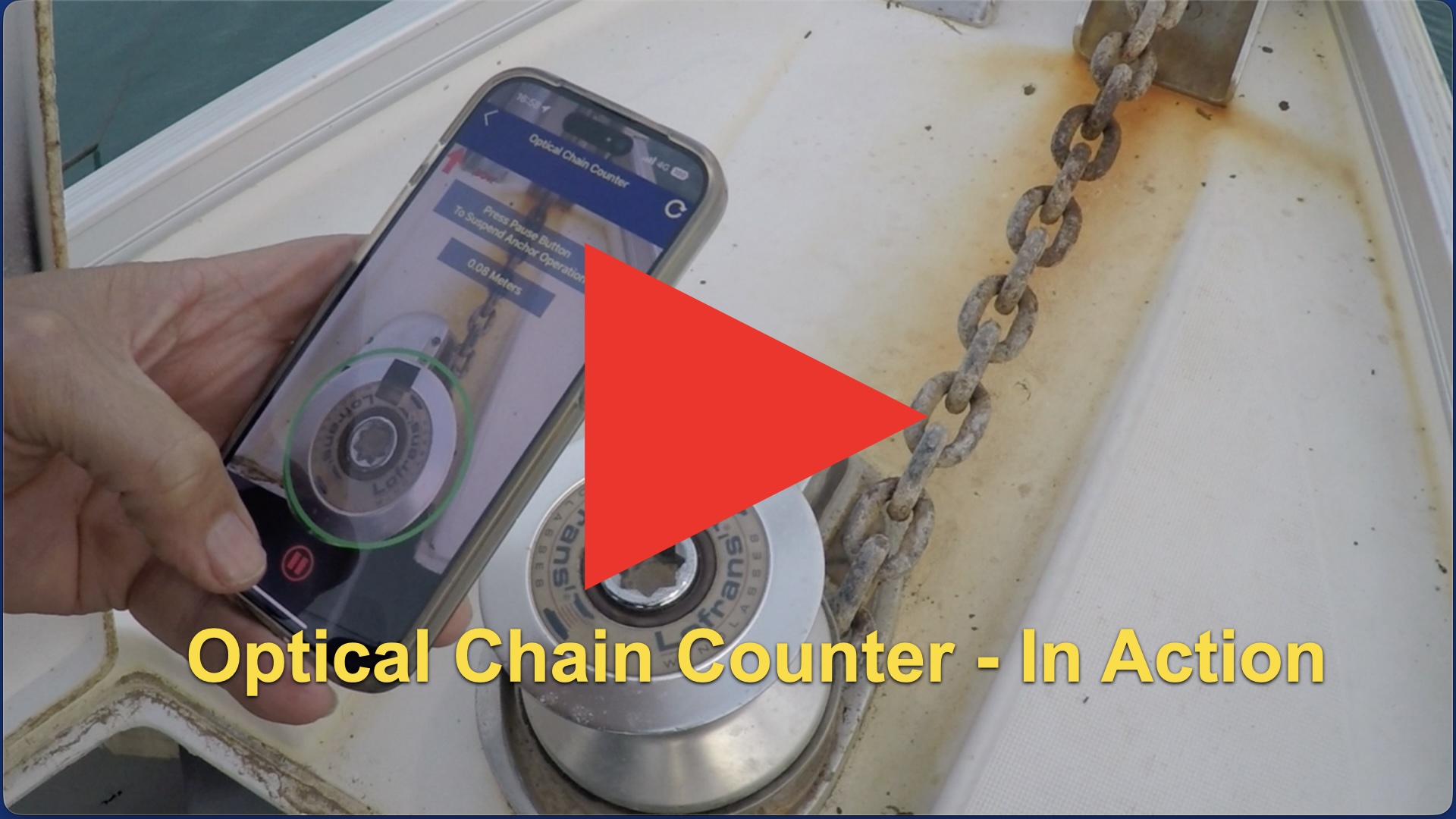
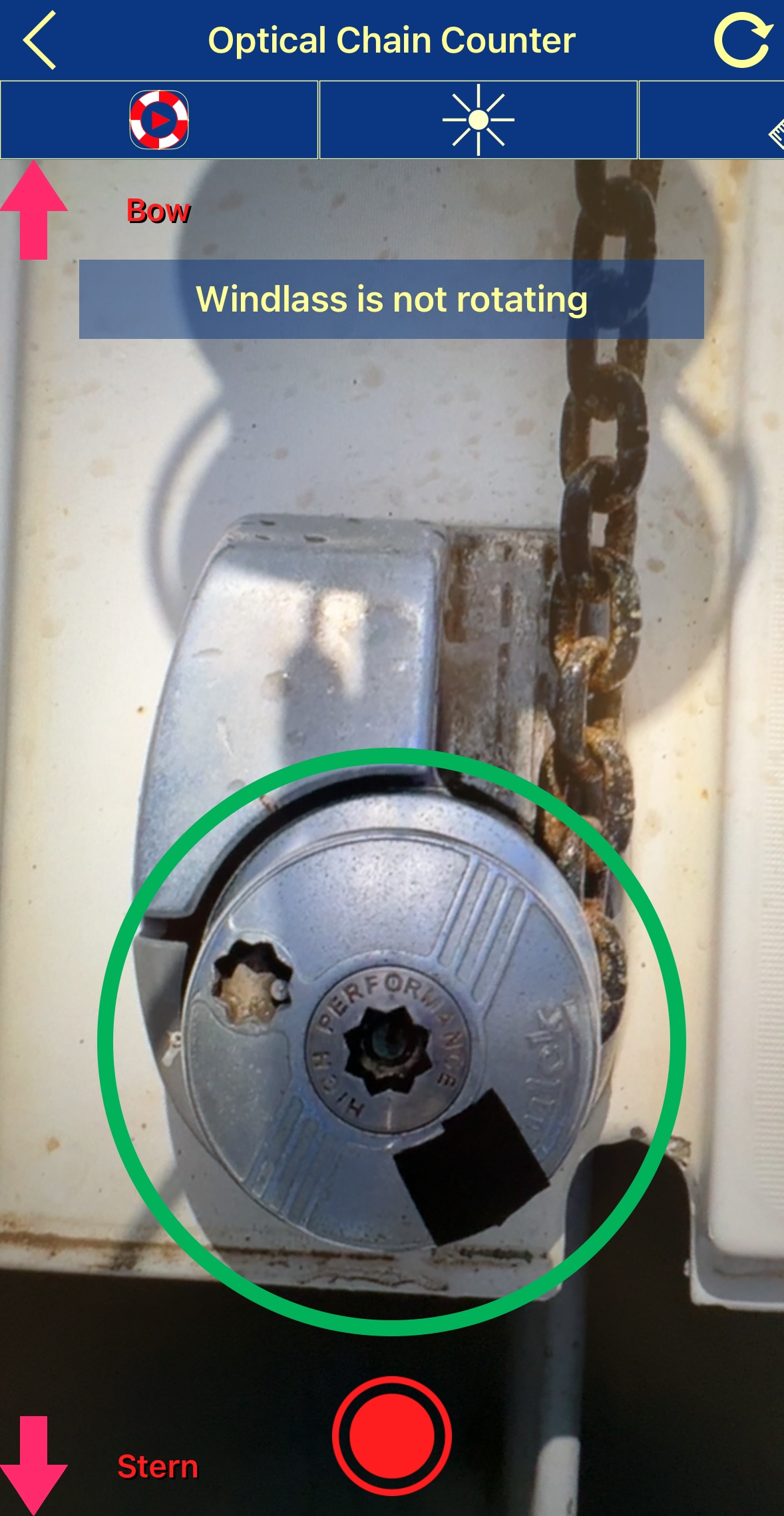
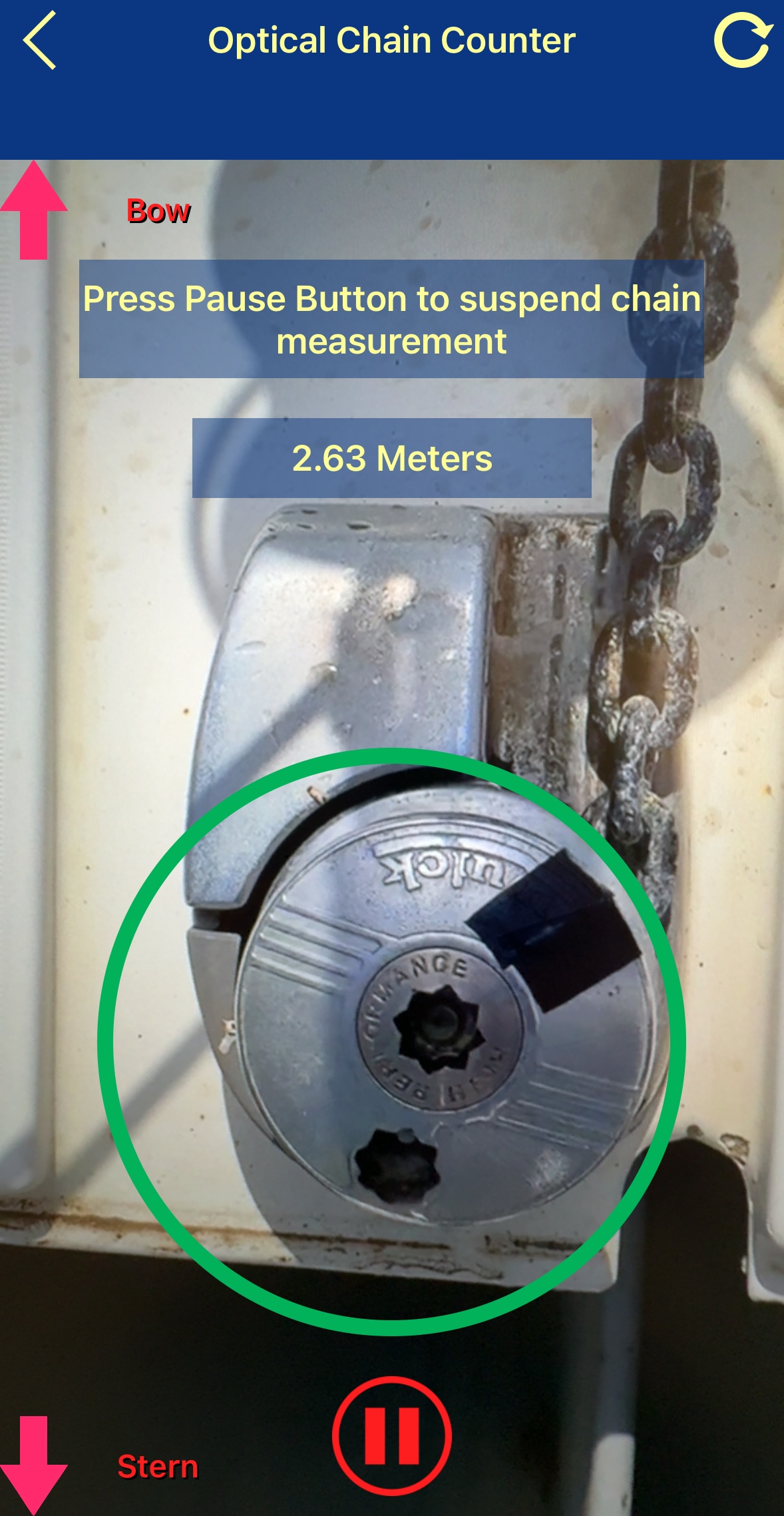
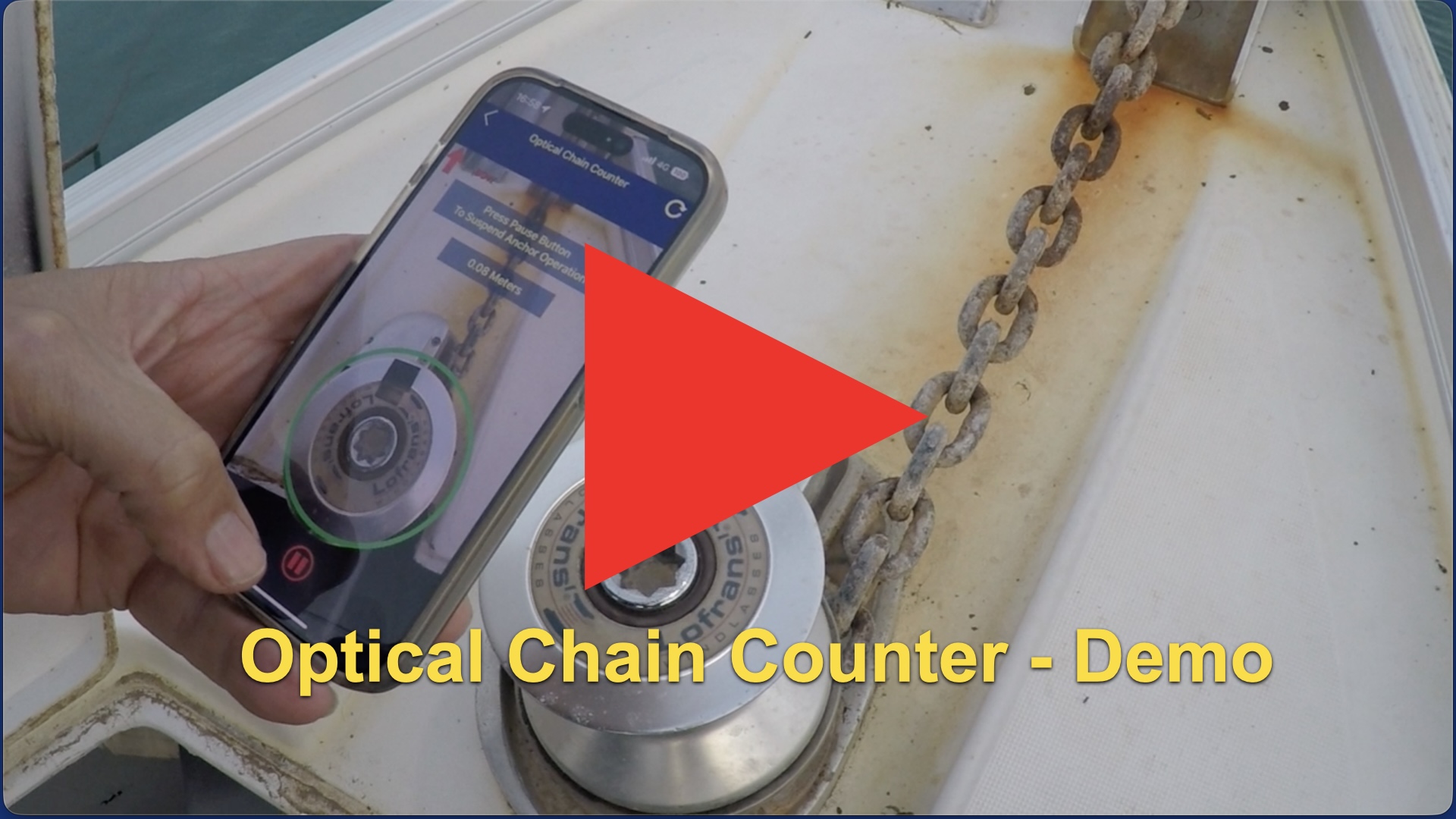
Using patented state of the art machine vision and artificial intelligence technologies, AnchorAway has developed an iOS application (Android coming soon) that utilizes the device's camera to measure the real time rotation of the windlass as the anchor chain is released or recovered.
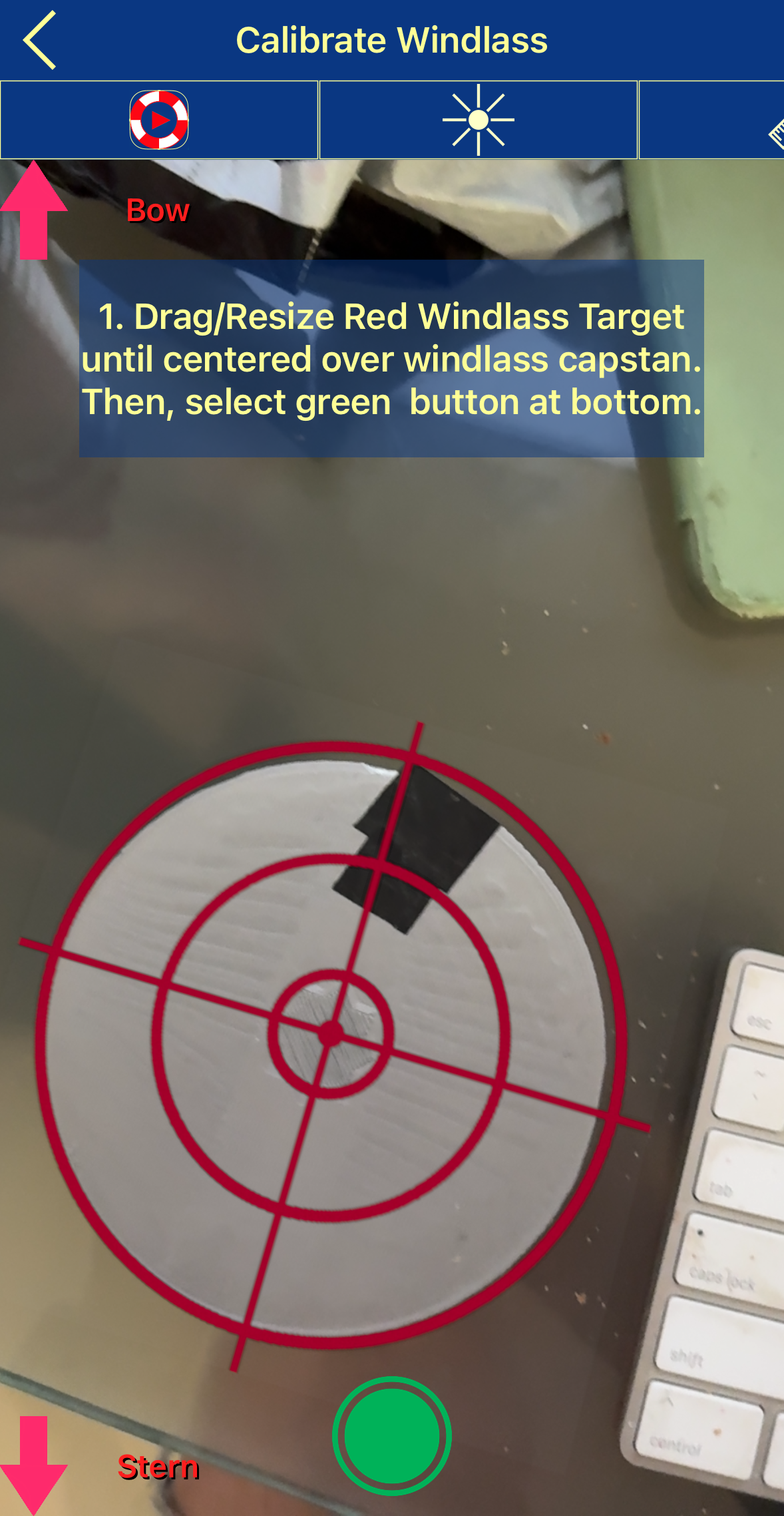
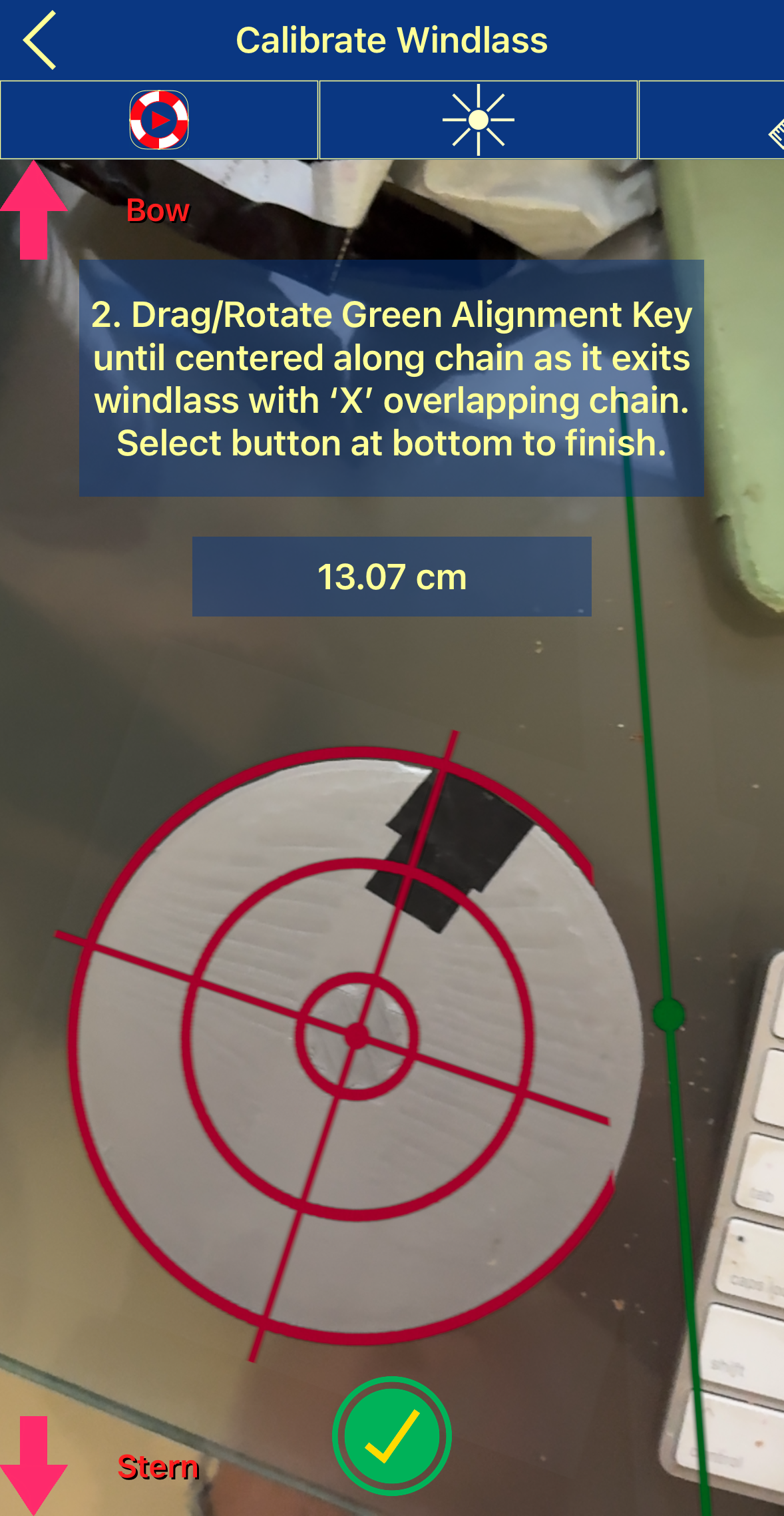
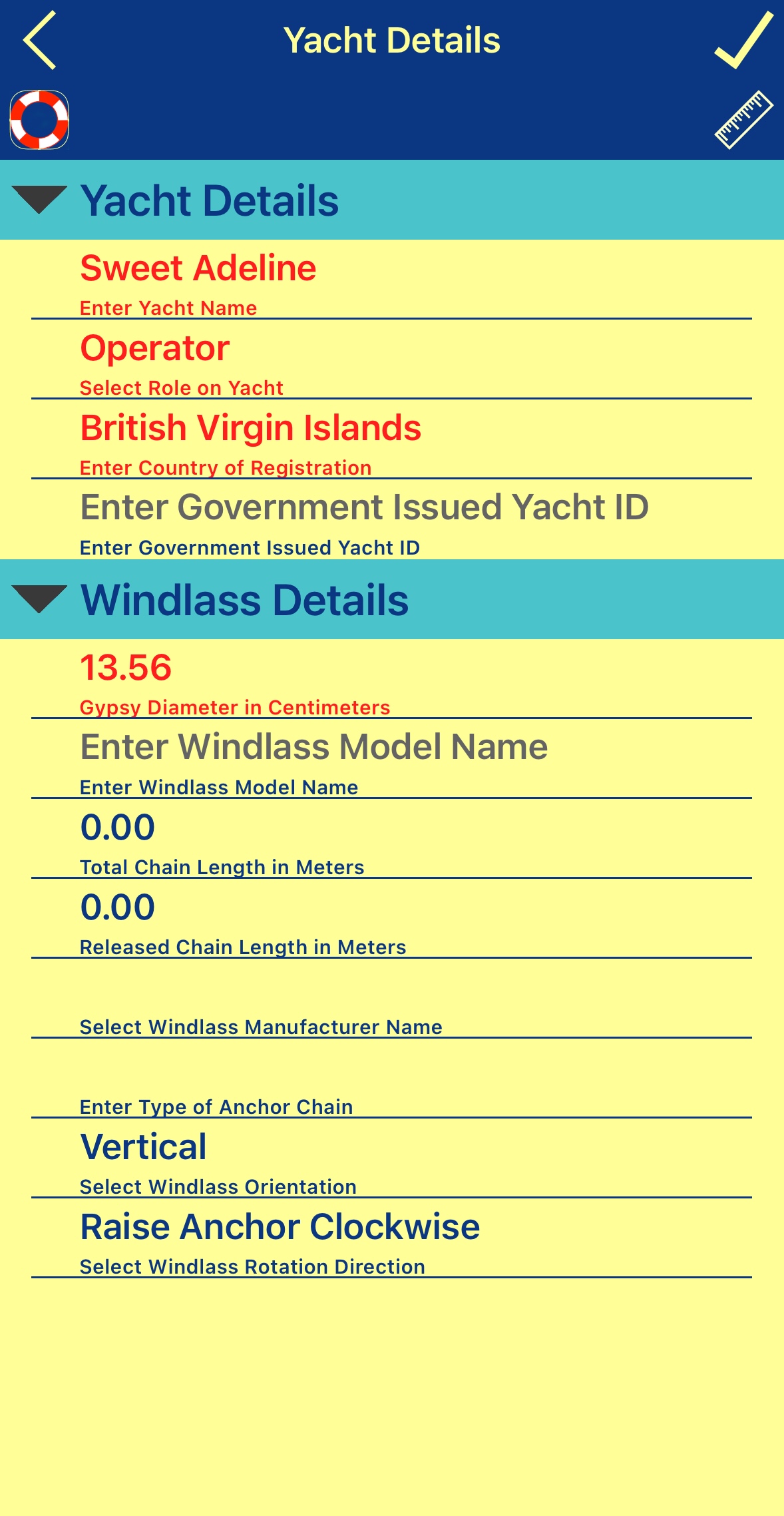
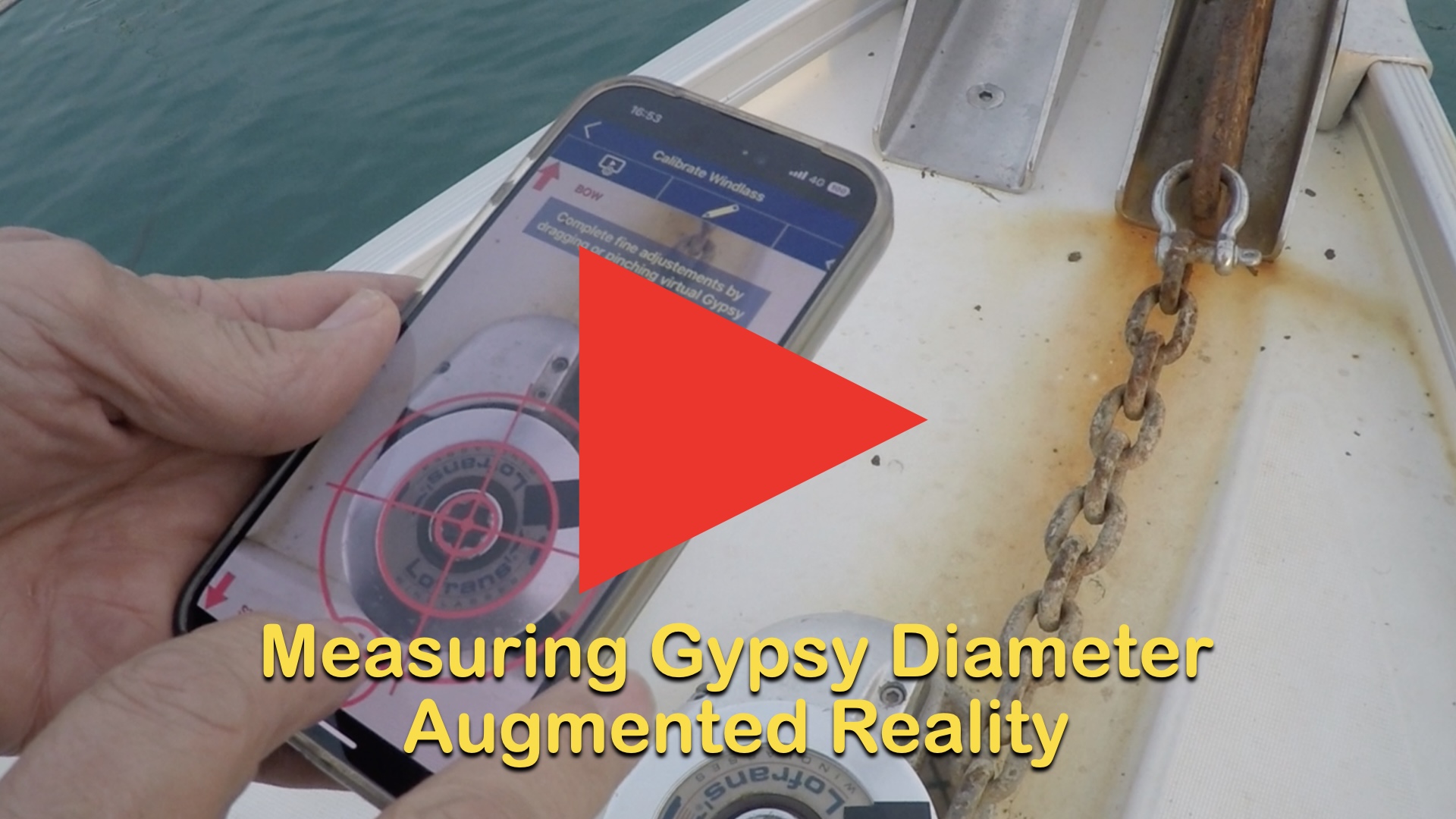
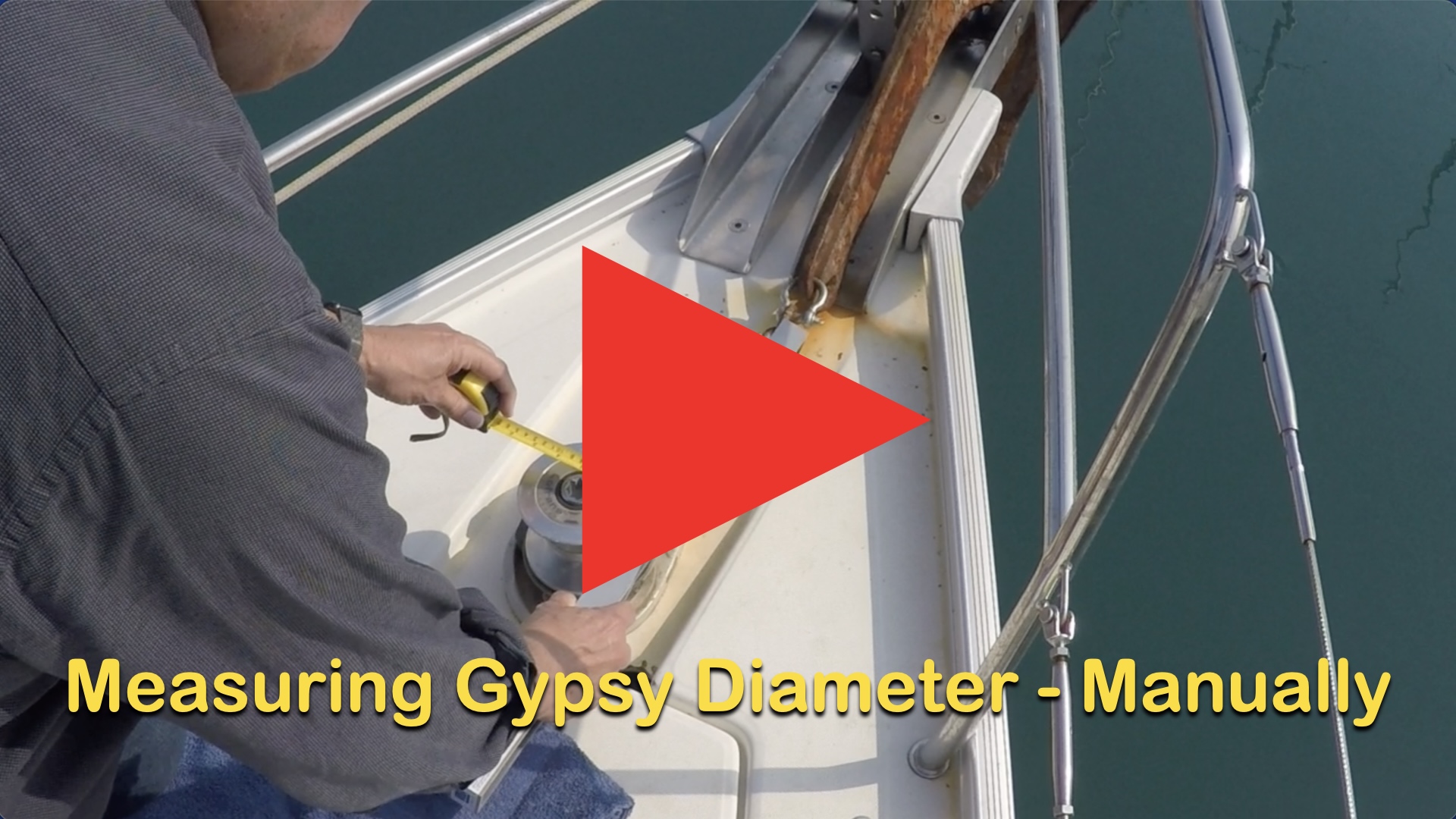
The application computes the released chain length using the windlass diameter (gypsy, actually). This measurement, made only once, employs augmented reality built into the application. It is only repeated if the chain, windlass or gypsy are replaced.
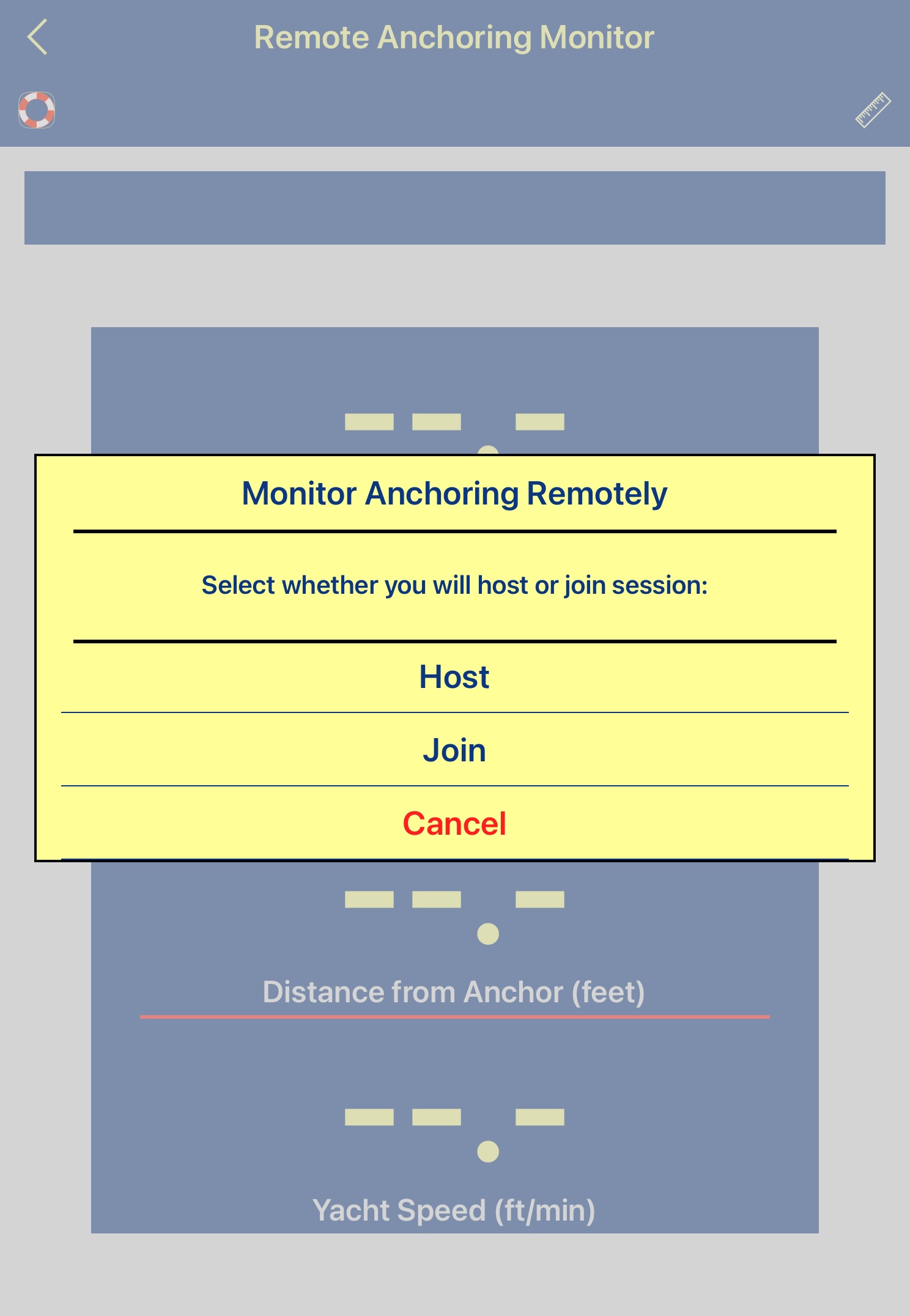
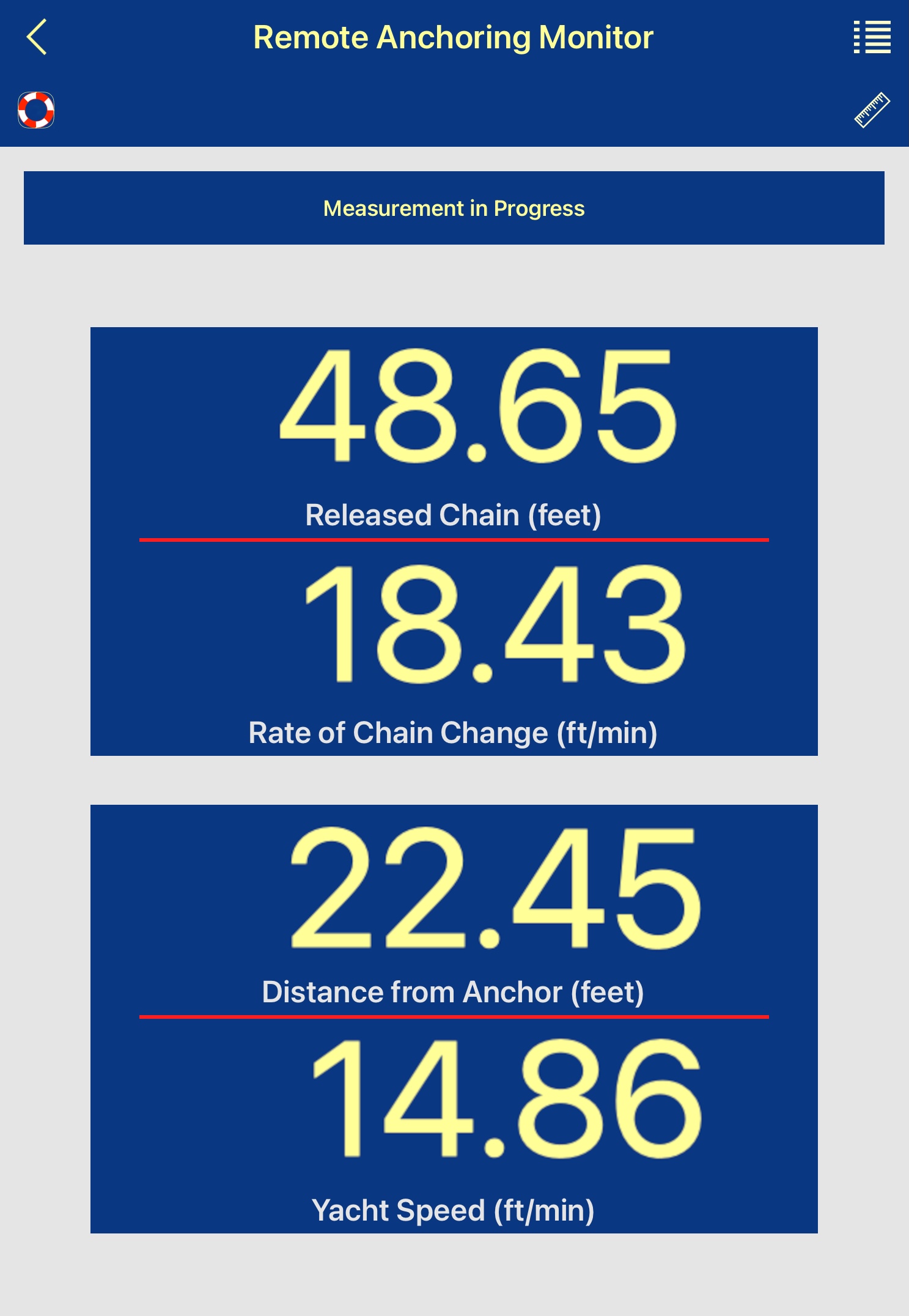
For the first time, it is not only possible to measure chain length in real time but also the rate of its release. These can be displayed alongside the distance from anchor and vessel speed... all in real time. Then the data can be shared wirelessly with anyone on the vessel, including the helmsman in the cockpit/bridge.